
Services
Bridges
We fill gaps from missing teeth with custom dental bridges that help restore your smile, bite, and confidence.

Why choose us
Benefits of Bridges
Fill the Gap
A bridge replaces one or more missing teeth so your smile looks complete again.
Chew and Speak Comfortably
Restoring missing teeth can make eating and talking feel more natural.
Protect Neighboring Teeth
Filling the space helps keep nearby teeth from shifting out of place.
Flexible Payment Options
We accept most dental insurance plans and offer HDF Financing, in-house financing, and a membership plan.
Care in Your Language
Our team offers Spanish and Creole-speaking appointments, seven days a week on a rotating schedule.
A missing tooth affects more than your smile. Neighboring teeth can begin to drift into the open space, your bite can feel uneven, and chewing on that side may start to feel awkward. A dental bridge fills that gap by anchoring a replacement tooth to the healthy teeth on either side. At Family Dentistry of Boynton Beach, we use bridges as one of several tooth replacement options, and we take time to help you decide whether one is the right fit for your mouth, your habits, and your budget.
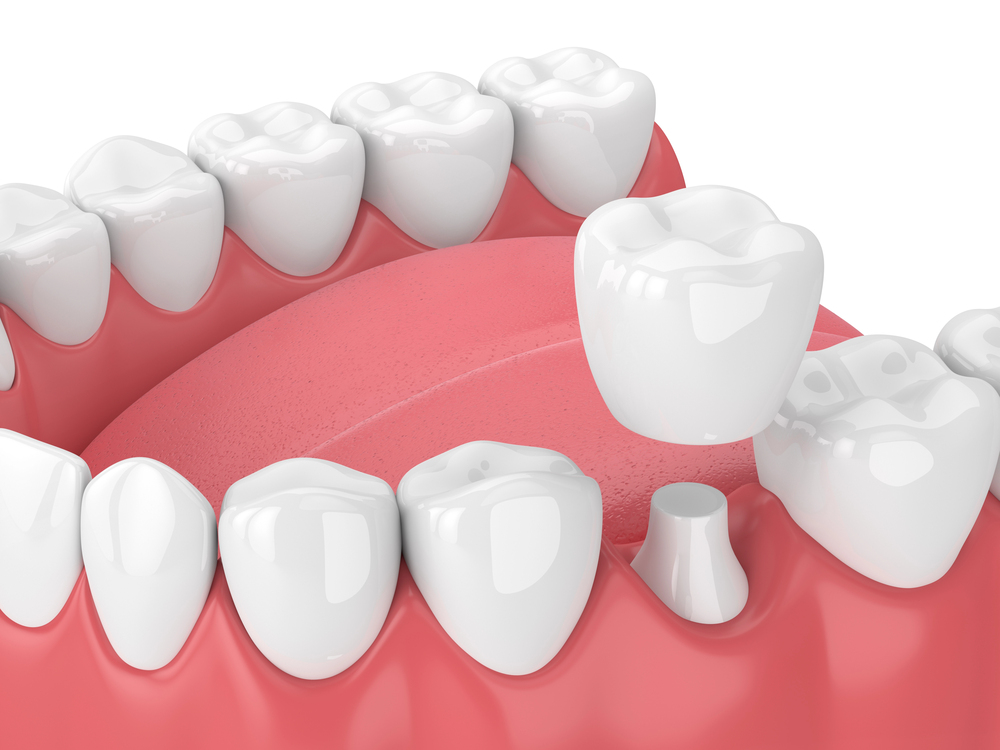
A traditional bridge has two main parts. The abutments are crowns placed over the natural teeth on each side of the gap, and the pontic is the artificial tooth that sits between them and fills the empty space. All the pieces are joined into one unit and cemented in place, so the bridge stays in your mouth. Unlike a removable partial denture, you do not take it out at night.
Bridges help a wide range of people. One patient may have lost a back tooth to deep decay that could not be saved. Another may have had a tooth extracted after an injury. Others have lived with a gap for years and are now noticing that nearby teeth are shifting. Because our office sees patients of all ages and offers restorative, cosmetic, and emergency care under one roof, we can often care for the tooth that caused the problem, replace it, and keep up with your ongoing cleanings and exams.
The health of the teeth next to the gap matters a great deal. Those teeth will support the bridge, so they need to be strong enough to hold crowns. During your exam, our dentists check for decay, look at the surrounding gums, and evaluate your bite. If gum disease is present, we may recommend treatment such as scaling and root planing first, because a bridge depends on a healthy foundation.
You should also know that placing a bridge involves reshaping the supporting teeth so the crowns can fit over them. For some patients that is a reasonable trade-off. For others, especially when the neighboring teeth are healthy and untouched, a dental implant or a partial denture may make more sense. We offer all three options, so our recommendation is based on your situation rather than on one preferred approach. Dr. Camilo Rodriguez, Dr. Ahron Ben-Jacob, and Dr. Laura Suris will walk you through the pros and cons of each.
How do I take care of a dental bridge?
You care for a bridge mostly the way you care for your natural teeth, with a little extra attention underneath the replacement tooth. Food and plaque can collect in the small space beneath the pontic, so daily cleaning there is important for protecting the supporting teeth and gums.
Your daily routine should include:
- Brushing twice a day, paying close attention to where the crowns meet the gumline
- Cleaning under the pontic with a floss threader or other tool our team shows you
- Avoiding chewing on ice, hard candy, or other very hard objects
- Keeping your regular exam and cleaning visits so our hygienist can check the bridge
Those routine visits do a lot of work. Our dental hygienist can reach areas that are hard to clean at home, and our dentists can spot early signs of wear or decay on the supporting teeth before they turn into bigger problems. If something ever feels loose or uncomfortable, call us. We offer emergency dental appointments, and our rotating schedule keeps the office open seven days a week.
Will insurance help pay for a bridge?
Many patients do have coverage that applies to bridges. We accept most dental insurance plans and are in-network with many popular plans. Our team can review your benefits before treatment so you know what to expect.
If you do not have insurance or your plan leaves a balance, you still have options. We welcome self-pay patients and offer cash-pay discounts, a dental membership plan, and in-house financing plans. We also work with HDF Financing, which approves up to 99% of patients, so you can spread the cost into manageable payments. New patients may also qualify for our new patient specials. We will explain everything plainly so the numbers never catch you off guard.
Can I schedule a consultation in my preferred language?
Yes. We offer appointments in Spanish and Creole, so you can ask questions and understand your treatment in the language you are most comfortable with. Talking through your options clearly is an important part of choosing a tooth replacement.
If a gap in your smile has been bothering you, or you have recently lost a tooth, we would be glad to help. Our Boynton Beach team will examine the area, explain whether a bridge, implant, or partial denture fits your needs, and help you plan the next step. Contact Family Dentistry of Boynton Beach today to book your visit.
The process
What to expect
- 1
Exam and Consultation
We examine your teeth and talk through whether a bridge or another tooth replacement option fits you best.
- 2
Prepare and Place
We prepare the supporting teeth and fit your custom bridge to match your bite and smile.
- 3
Ongoing Care
Regular cleanings and checkups with our hygienist help keep your bridge and surrounding teeth healthy.
Questions
Bridges FAQs
Will my dental insurance cover a bridge?
Many dental insurance plans include some coverage for bridges, and we accept most dental insurance plans. Because benefits vary from plan to plan, our team is happy to review your coverage with you before treatment. If you are paying on your own, we also welcome self-pay patients and offer HDF Financing, in-house financing plans, and a dental membership plan to help make care more manageable.
Does getting a dental bridge hurt?
Most patients find getting a bridge very manageable, because we numb the area before preparing the supporting teeth. If you feel nervous about dental visits, we offer nitrous oxide sedation and oral sedation to help you stay relaxed. Some tenderness afterward is common and usually eases as you adjust to your new bridge.
How long does it take to get a bridge?
A bridge is usually completed over more than one visit. During the first appointment, we prepare the neighboring teeth that will support the bridge, and then we place your finished bridge at a follow-up visit. We will walk you through the timeline that fits your specific situation during your consultation.
How long will my dental bridge last?
A well-cared-for bridge can serve you for many years, though how long it lasts depends on your oral health and daily habits. Brushing, cleaning carefully around and under the bridge, and keeping up with regular dental exams and cleanings all help protect it and the teeth that support it. At your checkups, we will keep an eye on your bridge and let you know if anything needs attention.
Am I a good candidate for a bridge, or are there other options?
A bridge may be a good fit if you are missing one or more teeth and have healthy teeth next to the gap that can support it. During your exam, our dentists will look at your teeth and gums to see whether a bridge is the right choice. We also offer other ways to replace missing teeth, including dental implants and partial dentures, so we can talk through each option and help you decide what works best for you.