
Crowns in Boynton Beach
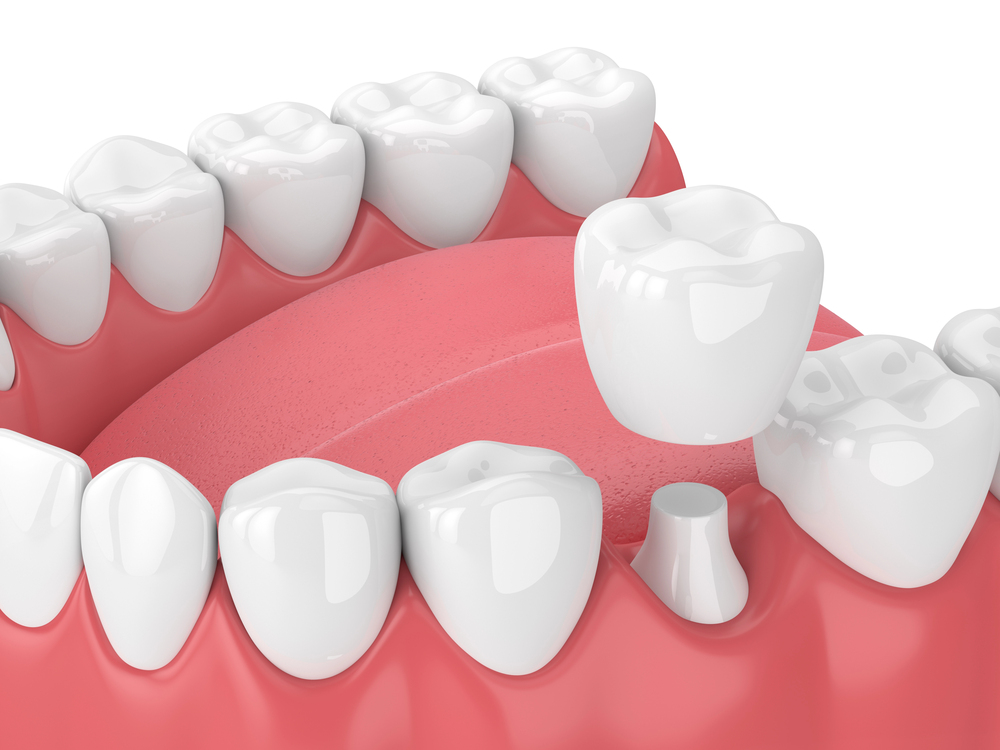
A cracked molar that twinges when you bite down, a tooth weakened by a large old filling, or a tooth that needs protection after a root canal can often be saved with a dental crown. A crown is a custom-made cap that fits over the entire visible part of a damaged tooth, restoring its shape and strength so you can chew, speak, and smile comfortably again. At Family Dentistry of Boynton Beach, we place crowns for patients of all ages throughout Boynton Beach, FL. We plan each one around how your bite works and what your tooth needs.
A dental crown is a restoration that covers a tooth from the gumline up. It works differently from a filling, which repairs a small area inside the tooth. A crown wraps around the whole tooth and holds it together, which makes it the better choice when too much natural structure is damaged or missing for a filling to hold up. Once it is in place, the crown takes on the everyday pressure of biting and chewing.
We recommend crowns in a range of situations. Our Boynton Beach patients most often come to us with a cracked or fractured tooth, a tooth with decay too extensive for a filling, or a back tooth that needs added strength after root canal therapy. Crowns also have other roles. They anchor a dental bridge to the teeth on either side of a gap, and they serve as the visible tooth on top of a dental implant. A crown can also improve the look of a tooth that is badly misshapen or discolored, as part of a larger cosmetic plan.
A crown helps protect a vulnerable tooth from further breakdown, and it lets you use that tooth normally again. When a weakened tooth is left uncovered, a small crack can spread. A tooth that is already compromised may eventually need to be removed. Covering it with a crown is often a way to keep your natural tooth rather than replace it.
Here is what our patients typically gain from a well-fitted crown:
- Strength to chew with confidence on a tooth that was cracked or fragile
- Protection for a tooth that has had a root canal or a large repair
- A natural appearance shaped and shaded to blend with nearby teeth
- Comfort from relief of the sensitivity that damaged teeth often cause
- Support for bridges and implants as part of tooth replacement
Am I a good candidate for a dental crown?
You may be a good candidate if you have a tooth that is cracked, heavily decayed, weakened, or restored with a large filling that is starting to fail. The only way to know for sure is a dental exam. During the exam, one of our dentists checks the tooth, your gums, and your bite.
Healthy gums matter too. If we find signs of gum disease, we may recommend treatment such as scaling and root planing first, so the crown has a stable foundation. Sometimes a crown is not the best fit, and a filling, bridge, or implant would serve you better. In that case we explain the options clearly so you can decide with full information. Our dentists, Dr. Camilo Rodriguez, DMD, Dr. Ahron Ben-Jacob, DDS, and Dr. Laura Suris, see children and adults alike, so the whole family can be evaluated in one office.
What happens during the crown process?
The process begins with preparing the tooth. We remove any decay and gently reshape the tooth so the crown can fit over it securely. We then capture the shape of your tooth and bite so your crown can be custom made to match. When the final crown is ready, we check its fit and how it meets your other teeth, then bond it into place.
Many patients feel nervous about dental work, and we take that seriously. In addition to local numbing, we offer nitrous oxide sedation and oral sedation to help you relax during your visit. We also offer Spanish- and Creole-speaking appointments, so you can ask questions and understand every step in the language you're most comfortable with. Our office is open seven days a week on a rotating schedule, which makes it easier for busy Boynton Beach families to fit treatment around work and school. If a broken tooth catches you off guard, we offer same-day emergency appointments too.
How do I care for my crown, and how can I pay for it?
Care for a crown much like a natural tooth: brush twice a day, floss daily, and keep up with regular cleanings and exams. The crown itself cannot decay, but the tooth underneath can, especially along the gumline. Our dental hygienist pays close attention to that area at each visit. Avoid chewing ice or other very hard objects, and tell us if your bite ever feels uneven.
For payment, we accept most dental insurance plans and are in-network with many popular plans. We welcome self-pay patients and offer cash-pay discounts, new patient specials, and a dental membership plan. Flexible financing is available through in-house financing plans and HDF Financing, which approves up to 99% of patients. Our team is glad to review your options before treatment so you can move forward with confidence.